Up next in 10


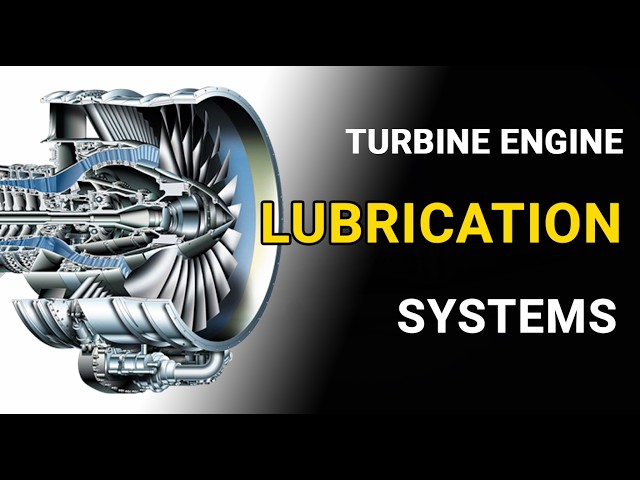
Turbine engine lubrication systems keep bearings, gears, and accessory drives cool, lubricated, and protected during operation. In this video, we explain how turbine engine oil systems work, including the pressure system, scavenge system, and breather system.
You will learn:
• How a dry-sump turbine engine lubrication system works
• The difference between pressure-regulated and variable-pressure systems
• How oil flows from the tank to the bearings and back again
• How the scavenge and breather systems return oil and remove trapped air
• The difference between dry-sump and wet-sump lubrication systems
• Why most turbine engines use dry-sump systems
This video is useful for aviation maintenance technicians, AMT students, aircraft engineers, and anyone studying turbine engine systems.
#aircraftsystems #aviationeducation #aerospaceengineering
------------------------------------------------------------------------------------------------------------
✈️ Aircraft Maintenance Study Resources
Download professionally prepared, fillable & printable PDF question papers designed for:
• Airframe Systems
• Powerplant Systems
• General Maintenance
Each paper includes a mix of:
Show More Show Less View Video Transcript
0:03
Inside a turbine engine, bearings,
0:05
gears, and accessory drives operate at
0:08
extremely high speeds and temperatures.
0:10
Without a constant supply of oil, these
0:13
components could overheat and fail
0:15
within minutes. That is why every
0:17
turbine engine relies on a carefully
0:19
designed lubrication system to cool,
0:21
protect, and lubricate its moving parts.
0:24
In this video, we will explain how a
0:26
turbine engine lubrication system works,
0:29
including the pressure, scavenge, and
0:31
breather subsystems. We will also
0:33
compare dry sump and wet sump systems,
0:36
and show how oil flows through the
0:37
engine from start to finish. By the end
0:40
of this video, you will have a clear
0:42
understanding of how turbine engine
0:43
lubrication systems keep modern aircraft
0:46
engines operating safely and
0:48
efficiently.
0:49
A turbine engine lubrication system has
0:52
several important jobs. It must
0:54
lubricate bearings and gears, reduce
0:57
friction and wear, remove heat from
0:59
engine components, carry away
1:01
contaminants, help seal bearing
1:03
compartments, and protect moving parts
1:05
from damage. Most turbine engines use a
1:08
dry sump lubrication system because it
1:10
can carry more oil and control oil
1:12
temperature more effectively.
1:15
A typical dry sump pressure regulated
1:17
turbine lubrication system has three
1:20
main subsystems. the pressure system,
1:22
the scavenge system, the breather
1:24
system. The oil is stored in a separate
1:26
oil tank mounted on the engine, usually
1:29
near the compressor case. The pressure
1:31
system sends oil to the engine bearings
1:33
and accessory drives. The scavenge
1:36
system returns the used oil back to the
1:38
tank, and the breather system removes
1:40
trapped air and maintains proper
1:42
pressure throughout the engine.
1:45
Let's begin with the pressure system.
1:47
Oil leaves the oil tank and enters a
1:49
gear type pressure pump located in the
1:51
accessory drive housing. The pressure
1:53
pump raises the oil pressure and sends
1:55
the oil to the oil filter. The oil
1:58
filter removes contamination before the
2:00
oil reaches sensitive engine parts. If
2:02
the filter becomes clogged, a bypass
2:05
valve automatically opens so the engine
2:07
still receives oil. From the filter, the
2:10
oil flows to a pressure regulating
2:12
valve. This valve keeps the oil pressure
2:14
at the correct level regardless of
2:16
engine operating conditions. The
2:18
regulated oil then passes through a fuel
2:20
oil cooler. The cooler removes excess
2:23
heat from the oil while at the same time
2:25
warming the fuel. After cooling, the oil
2:28
travels through last chance filters and
2:30
finally reaches spray nozzles. These
2:32
spray nozzles direct a steady stream of
2:35
oil onto the engine bearings. Because
2:37
the nozzles use fixed orififices, the
2:40
bearings receive nearly constant
2:42
lubrication at all engine speeds. Once
2:45
the oil has lubricated and cooled the
2:47
bearings, it must be returned to the oil
2:49
tank. This is the job of the scavenge
2:52
system. Unlike the pressure system, the
2:54
scavenge system usually uses several
2:56
gear type pumps. In this example, there
2:59
are five scavenge pumps. Each pump
3:01
removes oil from a different bearing
3:03
compartment or gearbox area. The number
3:06
one bearing scavenge pump removes oil
3:08
from the front bearing case. Oil from
3:10
the number two and number three bearings
3:13
flows through internal passages. Oil
3:15
from the number four, number four 1/2,
3:18
and number five bearings is collected in
3:20
another bearing cavity. The rear turbine
3:22
bearing scavenge pump removes oil from
3:25
the number six bearing compartment,
3:26
sends it through a passage in the
3:28
turbine case strut, and then directs it
3:30
to the number four, 4 and 1/2, and five
3:33
bearing cavity area before all of the
3:35
oil returns to the oil tank. All of this
3:38
oil eventually returns to the accessory
3:40
gearbox and then flows back to the oil
3:42
tank. But there is one problem. The
3:45
returning oil is mixed with air. To
3:47
solve this, the oil enters a derator
3:50
inside the oil tank. The deerator
3:52
separates the air from the oil. The oil
3:54
stays in the tank, ready to be used
3:56
again while the air continues into the
3:58
breather system.
4:01
The breather pressurizing system
4:03
performs two important functions. First,
4:05
it maintains the correct pressure inside
4:07
the bearing compartments. Second, it
4:10
helps create the proper oil spray
4:12
pattern from the bearing nozzles.
4:14
Breather tubes connect the bearing
4:15
compartments. the oil tank, the
4:18
compressor section, and the turbine
4:19
section. These tubes carry air and oil
4:22
vapor to a component called the doiler.
4:25
Inside the de oiler, the oil is
4:27
separated from the air oil mist. The
4:29
recovered oil returns to the lubrication
4:32
system. The remaining air is vented
4:34
overboard. This keeps the lubrication
4:36
system balanced and prevents excess
4:38
pressure from building up inside the
4:40
engine.
4:42
Many large turboan engines use a
4:44
variable pressure dry sump lubrication
4:46
system. This system still uses the same
4:49
three basic subsystems, pressure,
4:51
scavenge, breather. But there is one
4:54
major difference. There is no pressure
4:56
regulating bypass valve. Instead, the
4:58
oil pressure changes with engine speed.
5:01
As engine RPM increases, the oil pump
5:03
spins faster and the oil pressure rises.
5:06
For example, oil pressure may vary from
5:09
about 100 PSI at low speed to more than
5:12
260 PSI at high power settings. A relief
5:16
valve is still installed, but it only
5:18
opens if pressure becomes dangerously
5:20
high, usually around 540 PSI.
5:25
In the variable pressure system, oil
5:27
leaves the tank and enters the pressure
5:29
stage of the oil pump. A slight pressure
5:31
inside the oil tank ensures a steady
5:33
supply of oil to the pump. After the oil
5:36
is pressurized, it flows through the
5:38
main oil filter. If the filter becomes
5:41
clogged, the bypass valve routes the oil
5:43
around the filter. Next, the oil passes
5:46
through an air oil cooler. When the oil
5:48
is cold, it bypasses the cooler. When
5:51
the oil is hot, it flows through the
5:53
cooler. The oil then continues through a
5:55
fuel oil cooler. Some oil also flows
5:58
through a trim orifice that helps
6:00
maintain oil pressure at low engine
6:02
speeds. Finally, the oil passes through
6:05
last chance filters and reaches the
6:07
bearings, gearboxes, seals, and
6:09
accessory drive splines.
6:12
The scavenge system in a variable
6:14
pressure lubrication system is similar
6:16
to the regulated system. Several
6:19
scavenge pump stages remove oil from the
6:21
bearing compartments and gear boxes.
6:24
Each scavenge stage includes a magnetic
6:26
chip detector. These detectors trap
6:28
metal particles and provide an early
6:30
warning of bearing or gear damage. After
6:33
the oil reaches the tank, the derator
6:35
separates the air from the oil. The air
6:38
is then vented overboard through a check
6:40
valve. The breather system also uses a
6:42
deiler. The deiler spins at high speed
6:45
and separates the oil from the breather
6:47
air before the air is vented overboard.
6:50
Although most turbine engines use dry
6:52
sump systems, a few engines use a wet
6:55
sump lubrication system. The main
6:57
difference is the location of the oil
6:59
reservoir. In a dry sump system, the oil
7:01
is stored in a separate tank. In a wet
7:04
sump system, the oil is stored directly
7:06
inside the engine, usually in the
7:08
accessory gearbox or in a sump at the
7:11
bottom of the accessory case.
7:13
A typical wet sump system includes a
7:16
sight gauge to check oil level, a
7:18
breather or vent, a magnetic drain plug,
7:21
temperature, and oil pressure fittings.
7:24
In a wet sump system, some bearings and
7:27
gears are lubricated by splash
7:28
lubrication. As gears rotate through the
7:31
oil, they throw oil onto nearby
7:33
components. Other engine parts still
7:36
receive pressurized oil from a pump. The
7:38
oil passes through a filter and then
7:40
through jet nozzles that spray oil onto
7:43
bearings and couplings. After
7:45
lubricating the engine, the oil simply
7:47
drains back into the sump by gravity.
7:50
This makes the wet sump system simpler
7:52
than a dry sump system, but it usually
7:54
carries less oil and offers less control
7:57
of oil temperature.
7:59
Let's quickly review. A turbine engine
8:01
lubrication system stores oil in either
8:04
a dry sump tank or wet sump reservoir.
8:07
uses a pressure system to deliver oil.
8:09
Uses a scavenge system to return oil.
8:12
Uses a breather system to remove trapped
8:14
air and keeps bearings, gears, and
8:17
accessory drives cool and protected. Dry
8:20
sump systems are used on most turbine
8:22
engines because they provide better
8:23
cooling, better oil control, and a
8:26
larger oil supply. Wet sump systems are
8:28
simpler but are less common. Thanks for
8:30
watching.
#Jobs & Education