
The source of air used to pressurize an aircraft cabin depends mainly on the type of engine installed. Reciprocating-engine aircraft and turbine-powered aircraft use different methods to obtain pressurized air. Because compression increases air temperature, pressurization systems also require a means of cooling the air before it enters the cabin.
Cooling may be accomplished with a heat exchanger that uses cold ambient air to reduce the temperature of the pressurized air. A complete air-cycle air-conditioning system with an expansion turbine may also be used. This provides temperature control on the ground and at low altitudes, where outside air may be warmer than comfortable for passengers and crew.
Reciprocating Engine Aircraft
Three typical sources of air are used to pressurize reciprocating-engine aircraft:
- Supercharger
- Turbocharger
- Engine-driven compressor
Superchargers and turbochargers are installed on reciprocating engines to improve high-altitude performance by increasing the quantity and pressure of air in the induction system. Some of the compressed air can also be routed into the cabin for pressurization.
Superchargers
A supercharger is mechanically driven by the engine. Although it increases induction-system pressure and improves engine performance, it also uses some of the engine’s output. Superchargers have a limited ability to increase engine performance.
When a supercharger supplies air to both the engine intake and the cabin, the engine’s performance ceiling is lower than it would be without cabin pressurization.
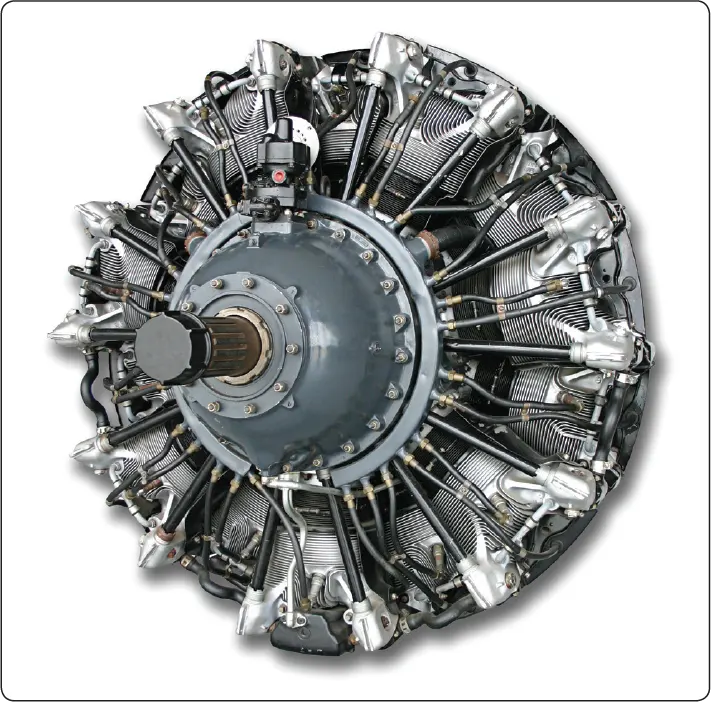
A supercharger must be located upstream of the fuel-delivery system to be used as a source of pressurization air. Superchargers are found on older reciprocating-engine aircraft, including aircraft with radial engines.
Figure 1 illustrates a reciprocating-engine supercharger that can be used to provide pressurization air when the compressor is upstream of the carburetor.
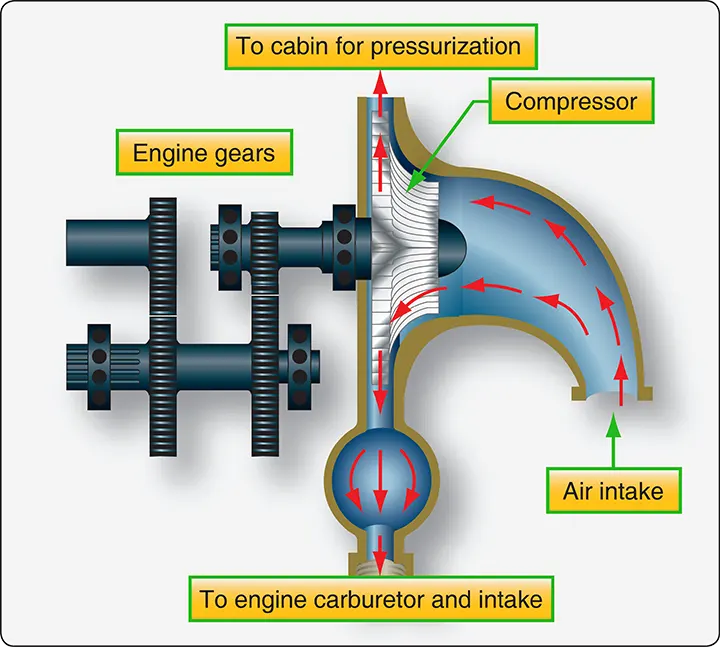
Figure 2 shows a radial engine supercharger that cannot be used for cabin pressurization because fuel is introduced before the supercharger impeller compresses the air.
Turbochargers
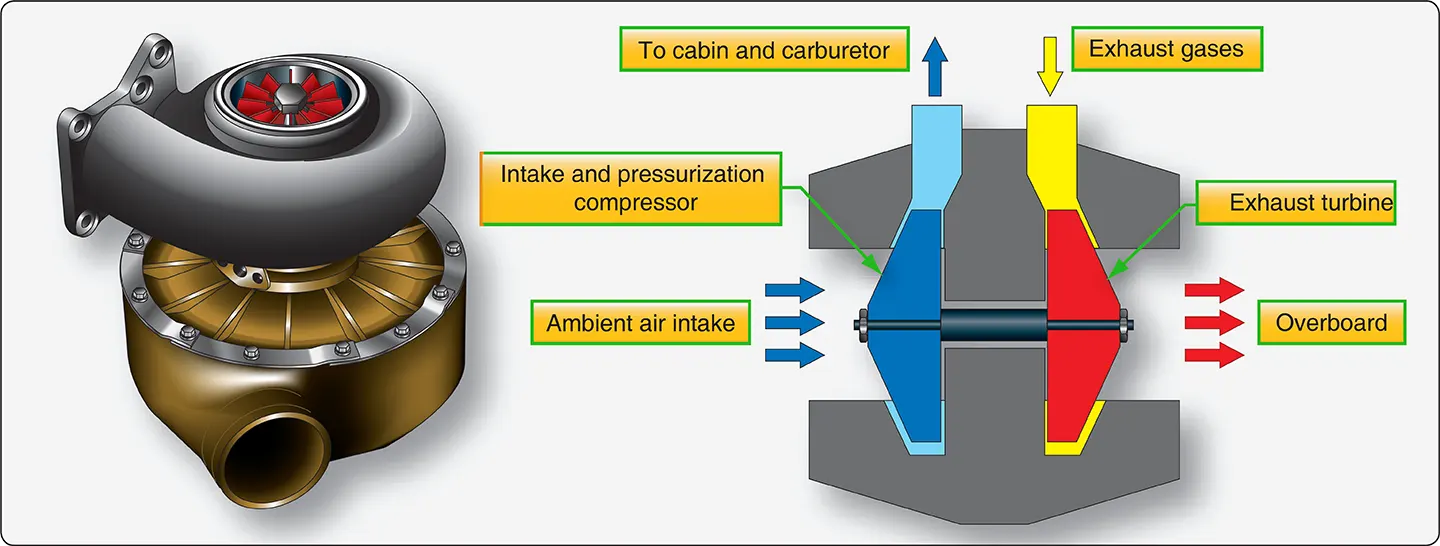
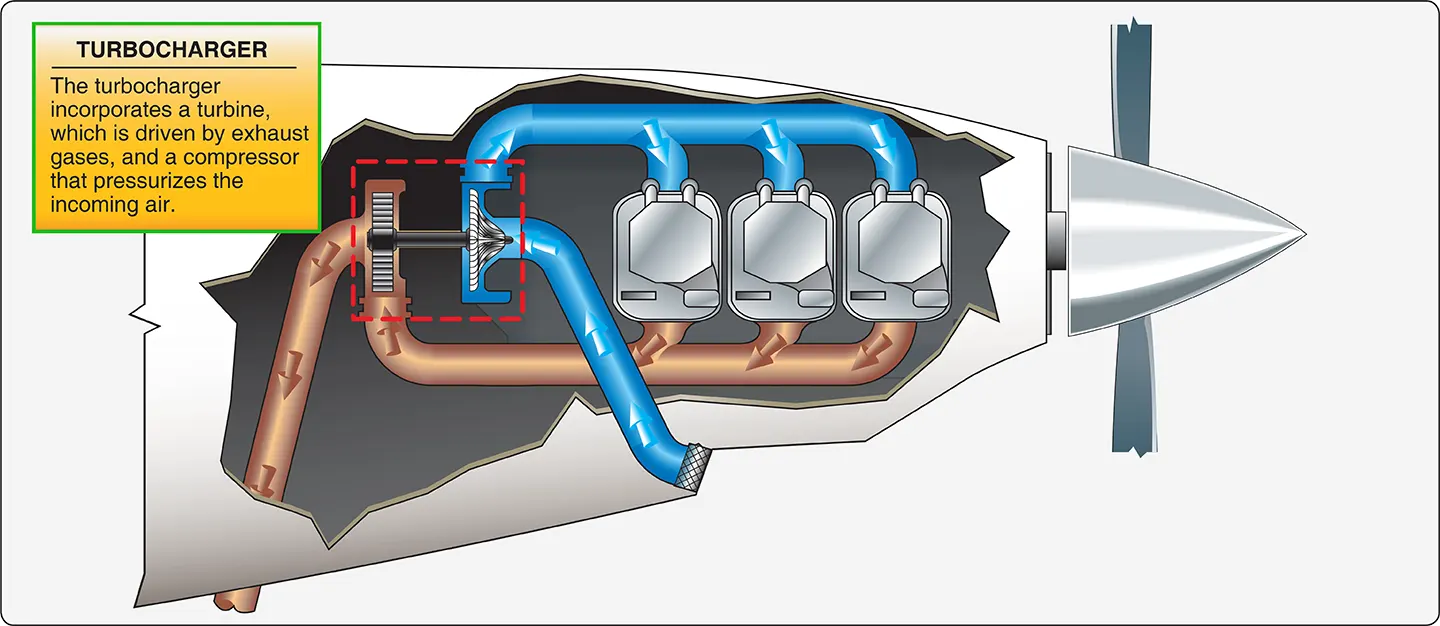
Turbochargers, sometimes called turbosuperchargers, are driven by engine exhaust gases. They are the most common source of pressurization air on modern reciprocating-engine aircraft.
The turbocharger impeller shaft extends through the bearing housing to support a compression impeller in a separate housing. Some of the compressed air produced by the turbocharger can be used for cabin pressurization.
However, using turbocharger air for the cabin reduces the amount available for the engine’s intake charge, resulting in lower overall engine performance.
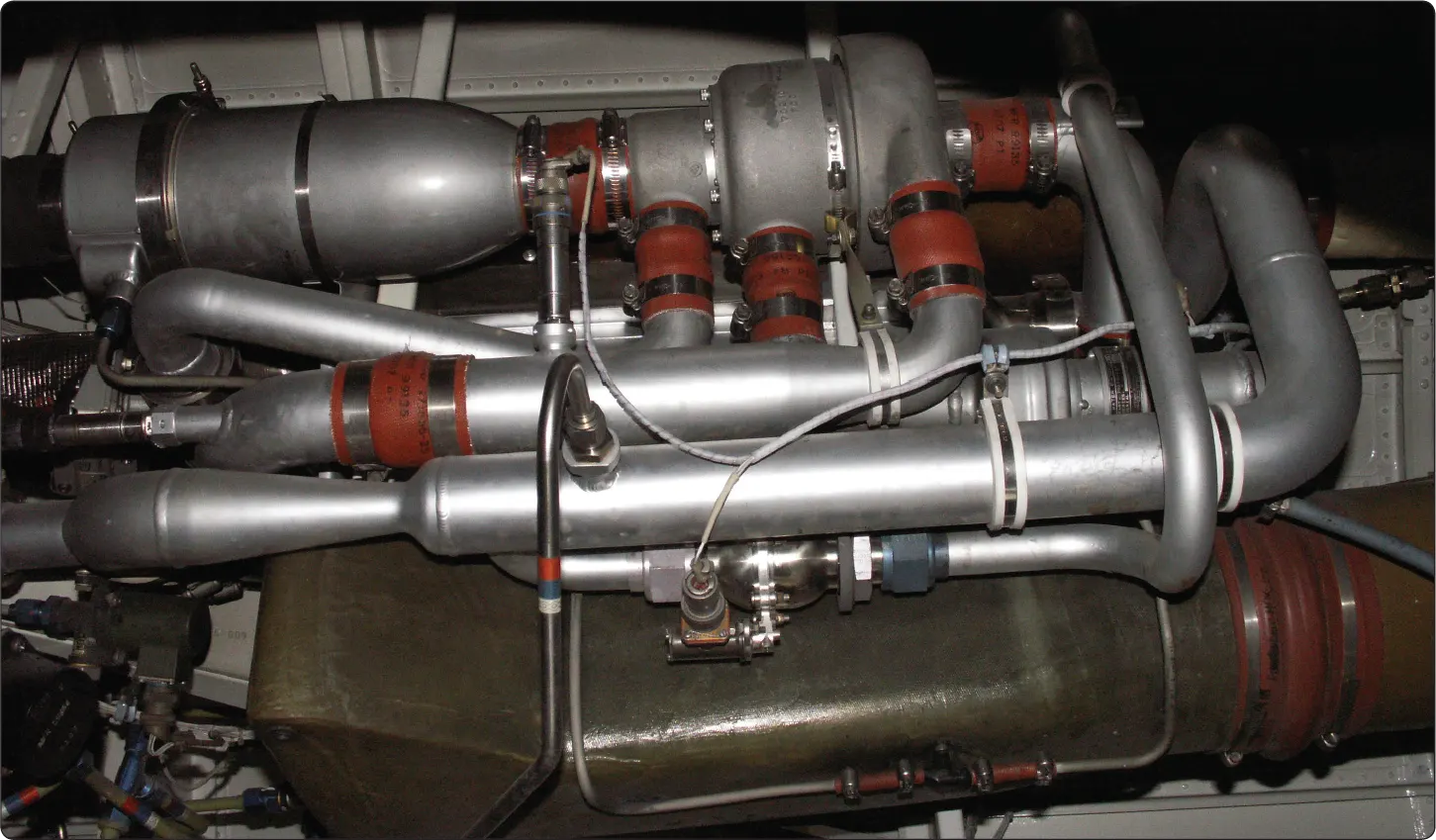
Even so, turbochargers make use of otherwise wasted exhaust-gas energy. This allows aircraft to fly at high altitudes, benefiting from lower drag and the ability to avoid weather while maintaining a comfortable cabin environment without supplemental oxygen. [Figures 3 and 4]
Contamination Risks
Both superchargers and turbochargers are oil-lubricated.
The supercharger is part of the fuel-intake system, while the turbocharger is part of the exhaust system. If a malfunction occurs, there is a risk that cabin air may become contaminated with oil, fuel, or exhaust fumes. This is a limitation of using these sources for cabin pressurization.
Engine-Driven Compressors
A third source of pressurization air for reciprocating-engine aircraft is an engine-driven compressor. These compressors may be belt-driven or gear-driven by the accessory drive.
An independent, dedicated compressor helps avoid some of the potential air-contamination issues associated with superchargers and turbochargers. However, the compressor adds significant weight and consumes engine output because it is mechanically driven.
Roots Blower
The Roots blower is used on older, large reciprocating-engine aircraft. It is driven by the engine and pressurizes air by means of two rotating lobes. [Figure 5]
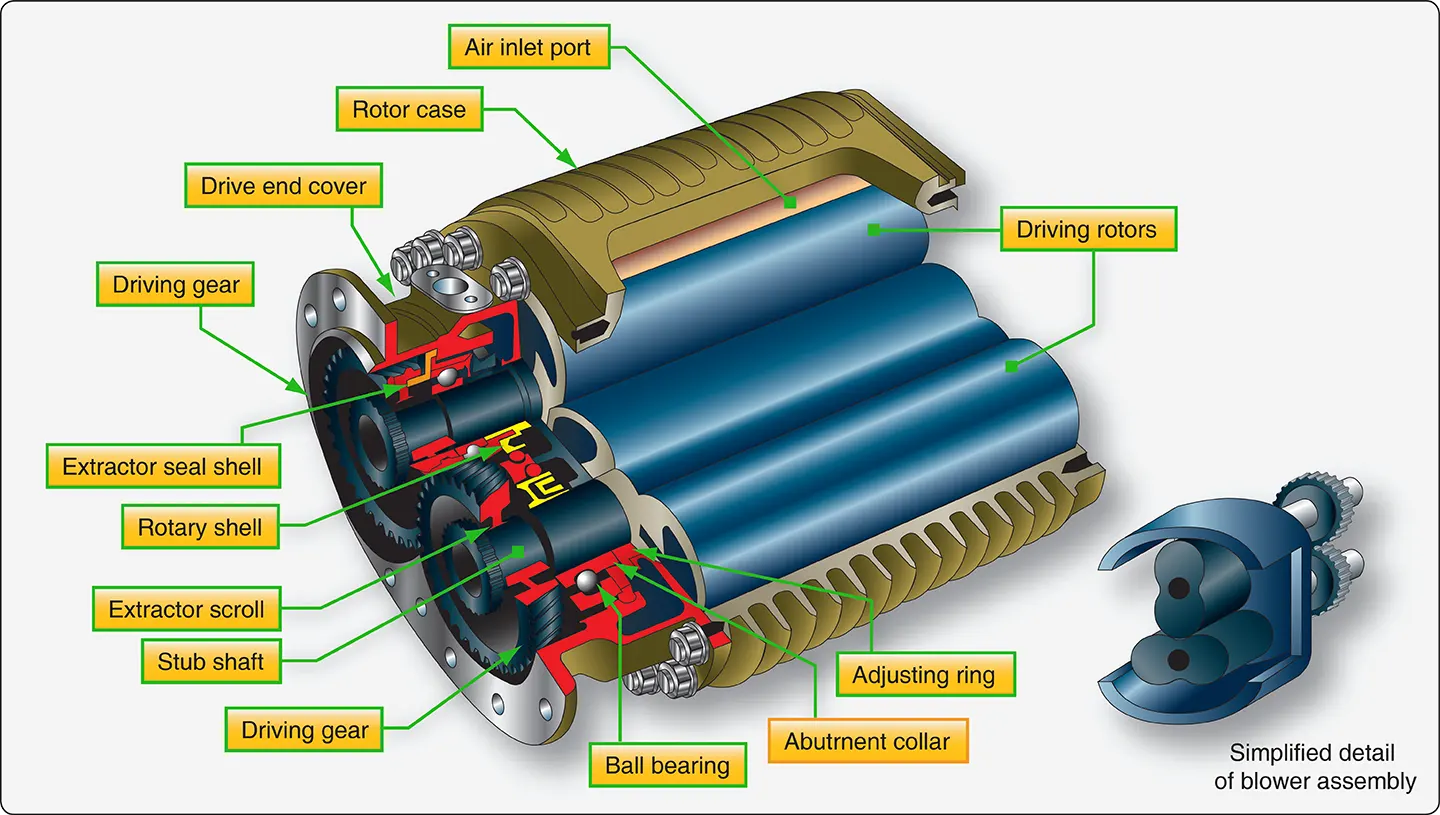
The two lobes do not touch each other or the compressor housing. As they rotate, air enters the space between the lobes, is compressed, and is delivered to the cabin for pressurization.
Centrifugal Compressors
Independent engine-driven centrifugal compressors are also used on reciprocating-engine aircraft. [Figure 6]
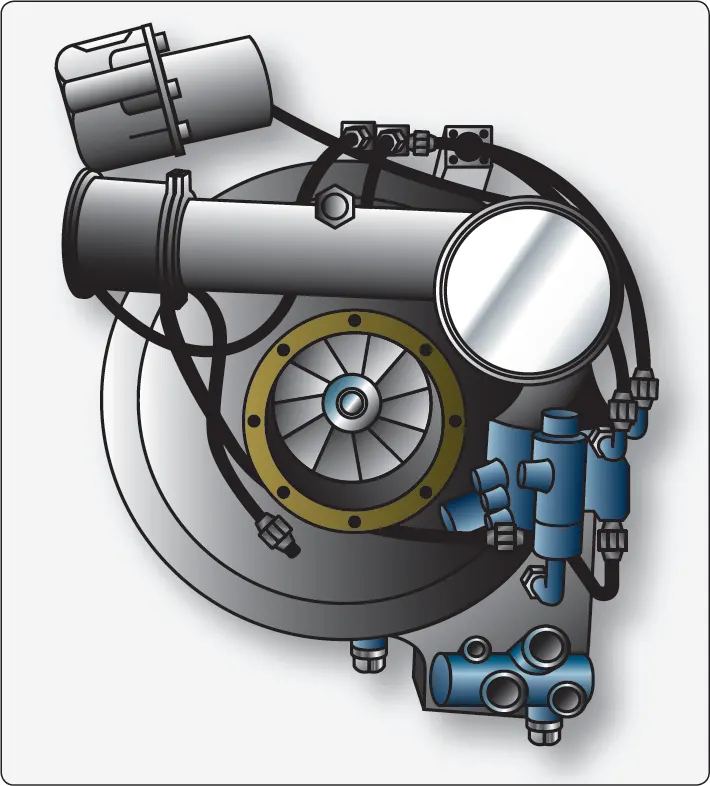
A variable-ratio gear-drive system is used to maintain a constant rate of airflow as engine rpm changes.
Reciprocating Aircraft Operating-Altitude Limitations
Near the maximum operating altitude of a reciprocating-engine aircraft, both engine performance and pressurization-compressor performance are reduced. This is caused by the lower air pressure at altitude, which affects the air available to both the engine intake and the pressurization compressor.
As a result, the engine may have difficulty maintaining enough airflow to produce power while also supplying sufficient air to pressurize the fuselage.
These limitations determine the design ceiling of many reciprocating aircraft, which typically does not exceed 25,000 feet. Turbine-powered aircraft overcome these limitations and can operate at much higher altitudes.
Turbine Engine Aircraft
The main principle of operation of a turbine engine involves compressing large amounts of air, mixing it with fuel, and burning the mixture. Air bled from the compressor section of the engine is relatively free of contaminants, making it a suitable source for cabin pressurization.
However, bleed air used for pressurization is no longer available for engine power production. Although the amount of air used for cabin pressurization is relatively small compared with the total amount compressed for combustion, it should be minimized.
Modern large-cabin turbofan aircraft use recirculation fans to reuse up to 50 percent of the cabin air, helping maintain engine output.
Jet Pump Flow Multiplier
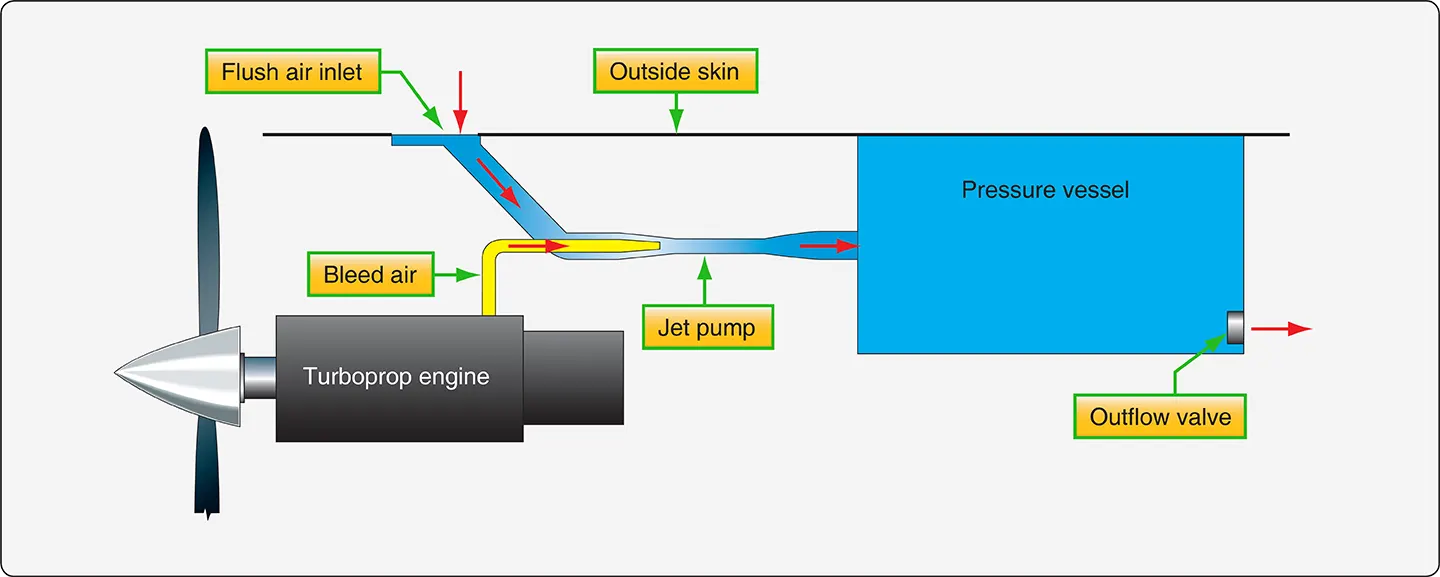
Smaller turbine aircraft, or sections of larger aircraft, may use a jet pump flow multiplier.
In this system, bleed air is taken from the compressor section of the turbine engine and directed into a venturi jet pump installed in the air ducting. One end of the duct is open to ambient air, while the other end directs air into the compartment to be pressurized.
The high-velocity bleed air creates a low-pressure area in the venturi. This draws outside air into the system, where it mixes with the bleed air and is delivered to the pressure vessel.
An advantage of this type of pressurization system is that it has no moving parts. A disadvantage is that it can pressurize only a relatively small volume of space. [Figure 7]
Turbocompressors
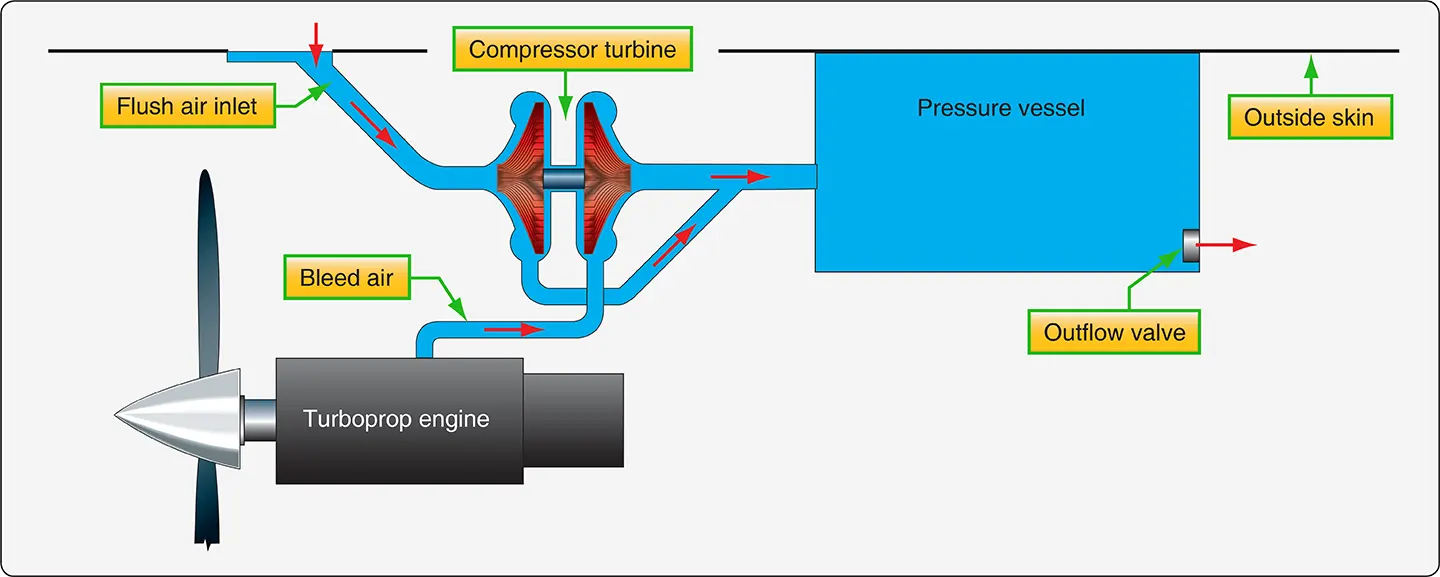
Another method of pressurizing an aircraft using turbine-engine compressor bleed air is to use the bleed air to drive a separate compressor with an ambient-air intake.
A turbine driven by bleed air rotates a compressor impeller mounted on the same shaft. Outside air is drawn into the compressor and compressed.
The compressed outside air is mixed with the bleed-air outflow from the turbine and delivered to the pressure vessel. Turboprop aircraft often use this device, known as a turbocompressor.
Figure 8 illustrates a turbocompressor used to pressurize the cabin of a turboprop aircraft.
Air-Cycle Air-Conditioning and Pressurization Systems
The most common method of pressurizing turbine-powered aircraft is through an air-cycle air-conditioning and pressurization system.
Bleed air is used in a system that includes heat exchangers, a compressor, and an expansion turbine. These components allow cabin pressurization and the temperature of the pressurizing air to be controlled.
Figure 9 shows an air-cycle air-conditioning system used to pressurize and cool the cabin of a business jet.
The air-cycle system is discussed in greater detail in the aircraft air-conditioning section.